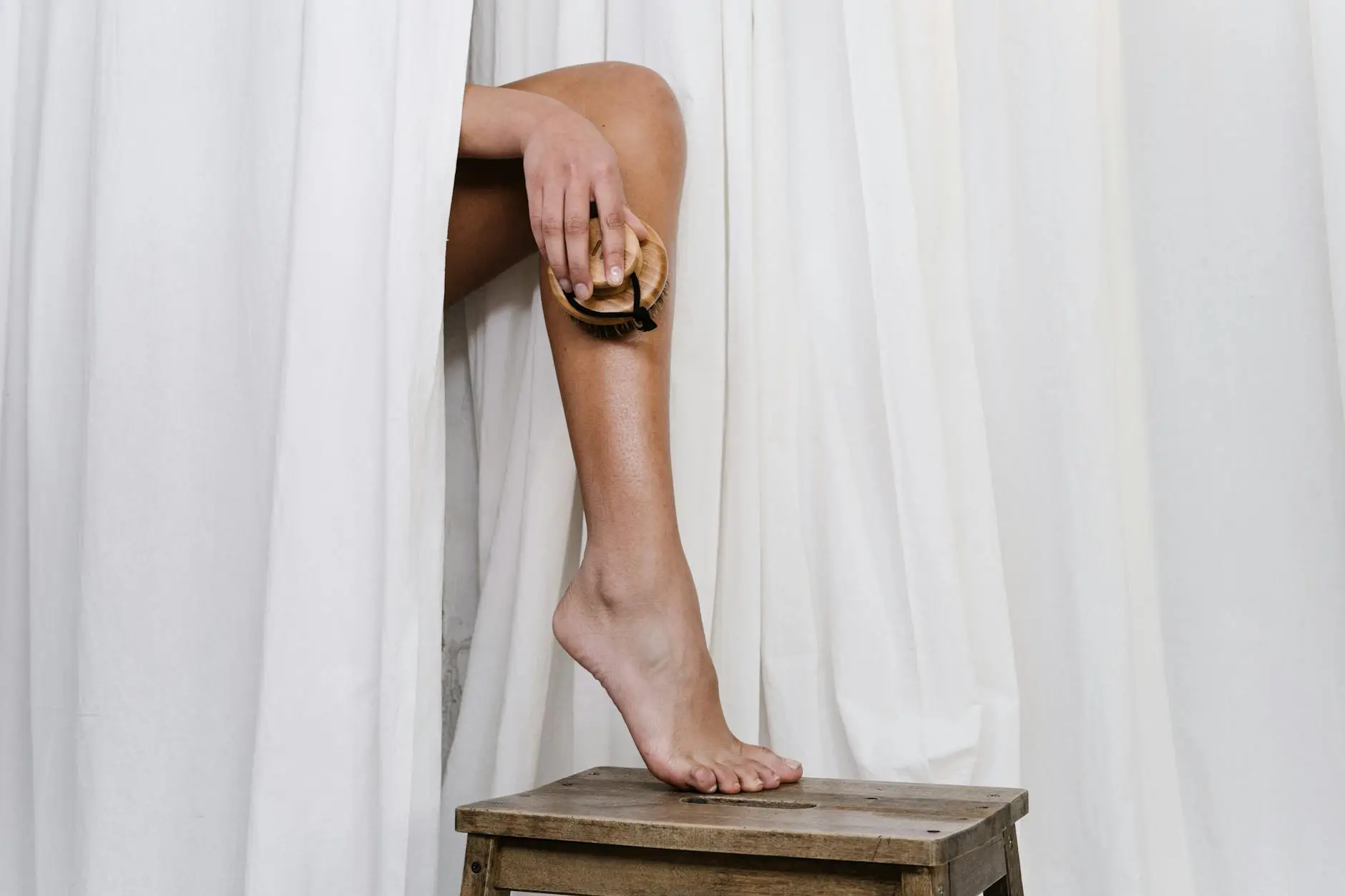
My lymph nodes have been swollen for years. PCOS and stress make a lovely team that way. For a long time, I figured it was just something I had to live with — another fun little symptom to manage. Then a friend gifted me a dry brush. I wasn’t expecting much. But now it’s one of the few wellness rituals I actually stick to, and my body genuinely feels different because of it.
So in this post, I’m breaking down everything I know about dry brushing. First, I’ll explain what it is. Then, I’ll cover the dry brush benefits that actually make a difference. Finally, I’ll walk you through the exact dry brush technique I use, so you can get started right away.
What Is Dry Brushing?
Dry brushing is exactly what it sounds like. You take a natural-bristle brush, apply it to dry skin, and use firm upward strokes to stimulate circulation and support your body’s natural systems. It sounds simple because it is — but the effects are real. In fact, the practice isn’t new at all.
As Megan Karp explains in her Dry Brush 101 guide, dry skin brushing has roots in ancient Greece, Native American traditions, and Ayurvedic medicine, where people used it to remove dead skin and improve circulation. Thousands of years later, people still do it — because it still works.
Dry Brush Benefits Worth Knowing About
There’s a lot of noise online about what dry brushing can and can’t do. So let me focus on the benefits that I personally notice and that also have solid backing behind them.
It exfoliates — really well
The most immediate dry brush benefit is exfoliation. The bristles physically lift dead skin cells off the surface, which leaves your skin noticeably smoother. If you use self-tanner or body oils, you’ll get a much better result when you dry brush first, because the product has fresh skin to work with instead of a layer of buildup.
It gets your circulation moving
The brushing motion increases blood flow, which is why your skin feels warm and looks a little pink right after. Better circulation means more oxygen and nutrients reaching the skin’s surface. Over time, many people find this gives them a more even, glowing complexion — even on areas like the back of the arms or thighs that tend to look dull.
It supports lymphatic drainage — and this one matters to me personally
This is the reason I keep coming back to dry brushing. Because of my PCOS and stress load, my lymph nodes swell up regularly. The lymphatic system is responsible for filtering waste and supporting immunity, but it doesn’t have a pump of its own the way your cardiovascular system does — it relies on movement and manual stimulation to keep things flowing. As Johns Creek Chiropractic explains, poor diet, stress, and environmental factors can all slow down lymphatic function. Dry brushing encourages fluid movement through the lymphatic pathways by stimulating the skin and underlying tissue.
When I dry brush consistently, my lymph nodes feel less congested and my body doesn’t feel as heavy or puffy. I’m not going to overclaim here — dry brushing isn’t a cure. But as a supportive tool for lymphatic drainage, it’s genuinely made a difference in how I feel day to day.
It’s calming (the ritual part matters)
Beyond the physical benefits, there’s something about taking five quiet minutes to do something intentional for your body. The repetitive motion is almost meditative. If you’re someone who carries a lot of stress — and if lymph node swelling is a symptom for you, you probably are — the ritual itself has value.
For a thorough overview of the research and potential risks, Healthline’s guide to dry brushing is a great place to start.
How to Dry Brush: The Technique That Actually Works
Learning how to use a dry brush correctly makes all the difference. The wrong approach can irritate your skin or miss the lymphatic benefit entirely. Here’s the dry brush technique I follow:
- Start at your feet and work upward. Always move toward your heart — this is key for supporting lymphatic flow.
- Use long, sweeping strokes on your legs and arms. Switch to small circular motions when you get to your stomach and chest.
- Keep the pressure gentle, especially when you’re starting out. You want stimulation, not irritation.
- Skip your face, any broken skin, rashes, sunburns, or areas with active irritation.
- Shower immediately after to rinse off the dead skin cells you just loosened.
- Apply a body oil or moisturizer right after your shower while your skin is still slightly damp. It absorbs beautifully.
I do this three times a week, right before my morning shower. The whole thing takes under five minutes. If you’re consistent, you’ll start to notice softer skin and less puffiness within a couple of weeks.
How Often Should You Dry Brush?
This is one of the most common questions, and the honest answer is: it depends on your skin. Most people do well with two to three times a week. If your skin is sensitive, start with once a week and see how it responds. If you’re dry brushing specifically for lymphatic drainage support, more frequent sessions — even daily — can be helpful, as long as your skin isn’t showing signs of irritation.
The best time to do it is right before your shower, so the dead skin cells get rinsed away. Morning is ideal if you want that energizing boost from the circulation bump.
I usually dry brush before a shower or ritual bath. It helps me feel my best physically and energetically.
Where to Find the Best Dry Brush

I’ve had my dry brush for years and it still performs exactly like it did when I first unboxed it. When you’re looking for the best dry brush, you want natural bristles (not synthetic), a long handle so you can actually reach your back, and firm-but-not-harsh bristle density. The one I use and link above checks all three boxes.

Dry Brush for Lymphatic Drainage & Cellulite
You can also find affordable dry body brushes at most grocery stores, Target, Amazon, and Trader Joe’s.
Final Thoughts
Dry brushing won’t solve everything. But as a low-effort, high-return ritual — especially if lymphatic drainage is something your body needs support with — it’s hard to beat. Five minutes, a few times a week, and your skin, your circulation, and your lymphatic system all benefit. That’s a pretty good deal.
If you’re ready to start, grab the brush I recommend above and try it for two weeks. I think you’ll feel the difference.
Dry Brushing FAQs
How do I use a dry brush the correct way?
Start at your feet, use firm upward strokes toward your heart, shower immediately after, and follow up with moisturizer. Keep sessions to five minutes or less.
What are the benefits of dry brushing?
The main dry brush benefits are exfoliation, improved circulation, lymphatic drainage support, and a general sense of calm from the ritual. Most people also notice their skin absorbs body oils and moisturizers better after regular dry brushing.
How often should you dry brush?
Two to three times a week works well for most people. If you’re using it specifically for lymphatic drainage, you can build up to daily use as long as your skin tolerates it.
Where can I buy the best dry brush?
I’ve linked my personal favorite dry brush here. It’s the one I’ve used for years and genuinely trust.