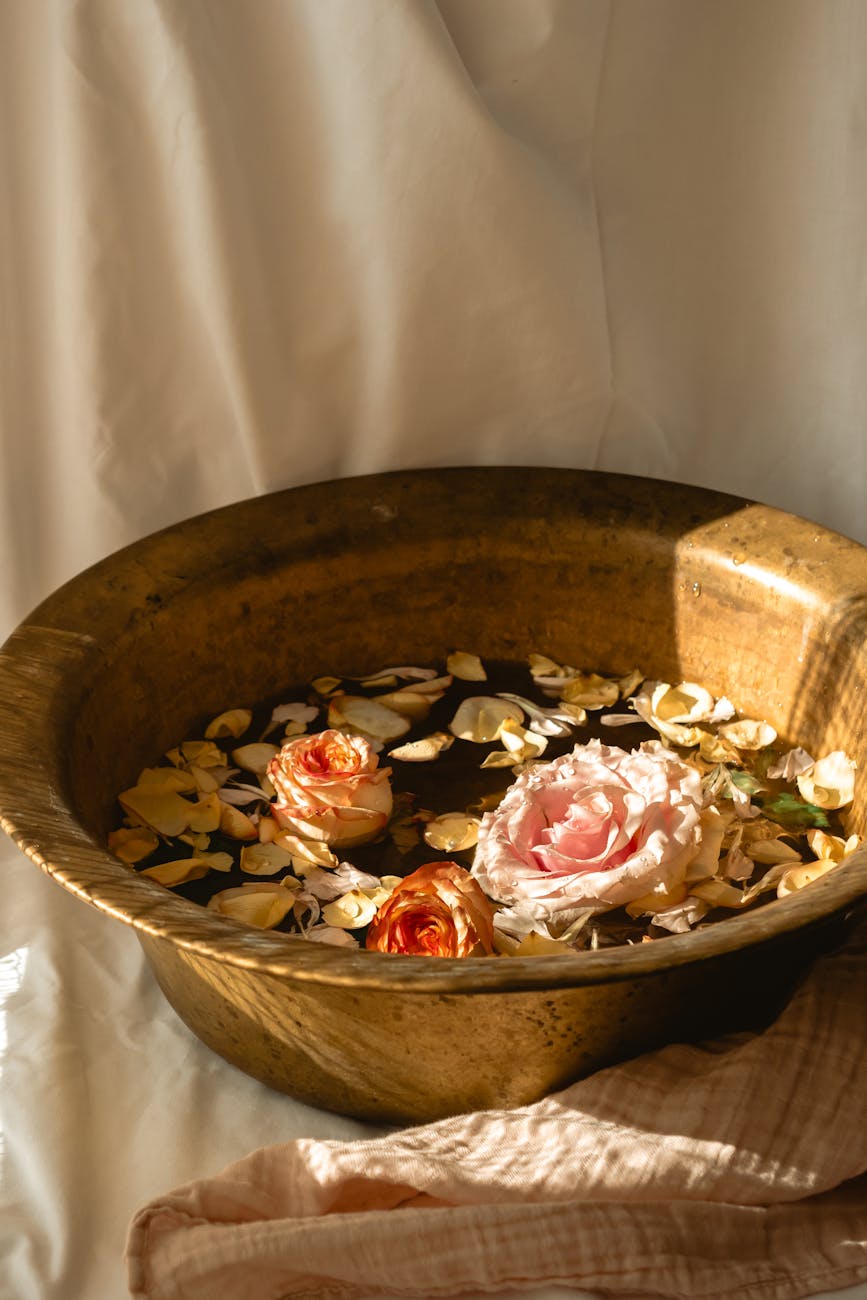
What is rose water?
Rose water is a fragrant liquid made by steeping or distilling rose petals in water. It’s been used for centuries in skincare, cooking, and spiritual rituals thanks to its soothing properties and delicate scent.
Today, it’s having a major comeback—especially in natural beauty and self-care routines.
The Benefits of Rose Water
There’s a reason this beauty hack stands the test of time. It’s gentle, effective, and versatile.
Here are the most notable rose water benefits:
1. Hydrates and refreshes skin
A quick spritz instantly revives dull or dry skin, making it perfect for midday refreshes.
2. Helps calm irritation
Rose’s anti-inflammatory properties can soothe redness, sensitivity, and mild breakouts.
3. Balances skin’s pH
Consistent use helps maintain your skin barrier, especially after cleansing.
4. Acts as a natural toner
It tightens the appearance of pores without stripping moisture.
5. Supports emotional well-being
The scent alone can reduce stress and promote a sense of calm. It’s great everyday nervous system support.
How I Use It in My Self-Care Rituals
Personally, rose water has become one of those small, grounding rituals I come back to every day.
In the morning, I mist it on my face before applying skincare—it wakes up my skin in a way that feels both refreshing and calming. At night, I’ll use it after cleansing as a gentle reset before the rest of my routine.
Sometimes, I spray it throughout the day when I need a moment to pause. It’s not just skincare—it’s a reset button.
On slower days, I’ll even incorporate it into a longer self-love ritual: lighting a candle, applying rose water, and taking a few minutes to be present. It’s simple, but it shifts my entire mood.
How to Make Rose Water at Home
If you’ve been wondering how to make rose water, the good news is—it’s incredibly simple.
Ingredients:
- Fresh, organic rose petals (avoid pesticides)
- Distilled or filtered water
Method (Simple Simmering):
- Rinse your rose petals thoroughly
- Add them to a pot and cover with water
- Simmer on low heat (don’t boil)
- Let it cook until petals lose their color
- Strain and store the liquid in a glass container
That’s it—you’ve made your own homemade rose water.
For a more detailed version, check out this step-by-step guide from Venus Et Fleur.
Tips for the Best Results
Quality matters more than anything here.
- Use organic roses whenever possible
- Avoid boiling (it destroys beneficial compounds)
- Store in the fridge to extend shelf life
- Use within 1–2 weeks for freshness
- Use amber jars for storage to avoid spoilage
Everyday Uses for DIY Rose Water
Once you have your own spritz, you’ll find endless ways to use it.
Skincare:
- As a toner
- Facial mist
- Mixed into masks
Wellness:
- Linen spray
- Bath addition
- Meditation or ritual tool
Spiritual & ritual use:
Rose water has long been used in spiritual practices for cleansing and intention-setting. This guide from explores that side in more depth.
Resources
DIY skincare has taken off on TikTok, where creators are sharing how they use it for glowing skin and self-care. These videos highlight just how versatile—and aesthetic—it can be.
Final Thoughts
If you’re looking for something simple, natural, and effective, rose water is absolutely worth adding to your routine.
It hydrates, soothes, and creates a moment of calm in your day. Sometimes, that moment of grounding is exactly what I need to get to the next.
It is a liquid made by steeping or distilling rose petals in filtered water. It is commonly used in skincare, cooking, and wellness rituals.
Yes, rose water is gentle and beneficial for most skin types. It helps hydrate, soothe irritation, and balance the skin’s natural pH.
Rose-infused facial spray helps hydrate skin, reduce redness, balance pH levels, and provide a calming effect through its natural fragrance.
Simmer fresh rose petals in distilled water until they lose color, then strain and store the liquid in a clean container.