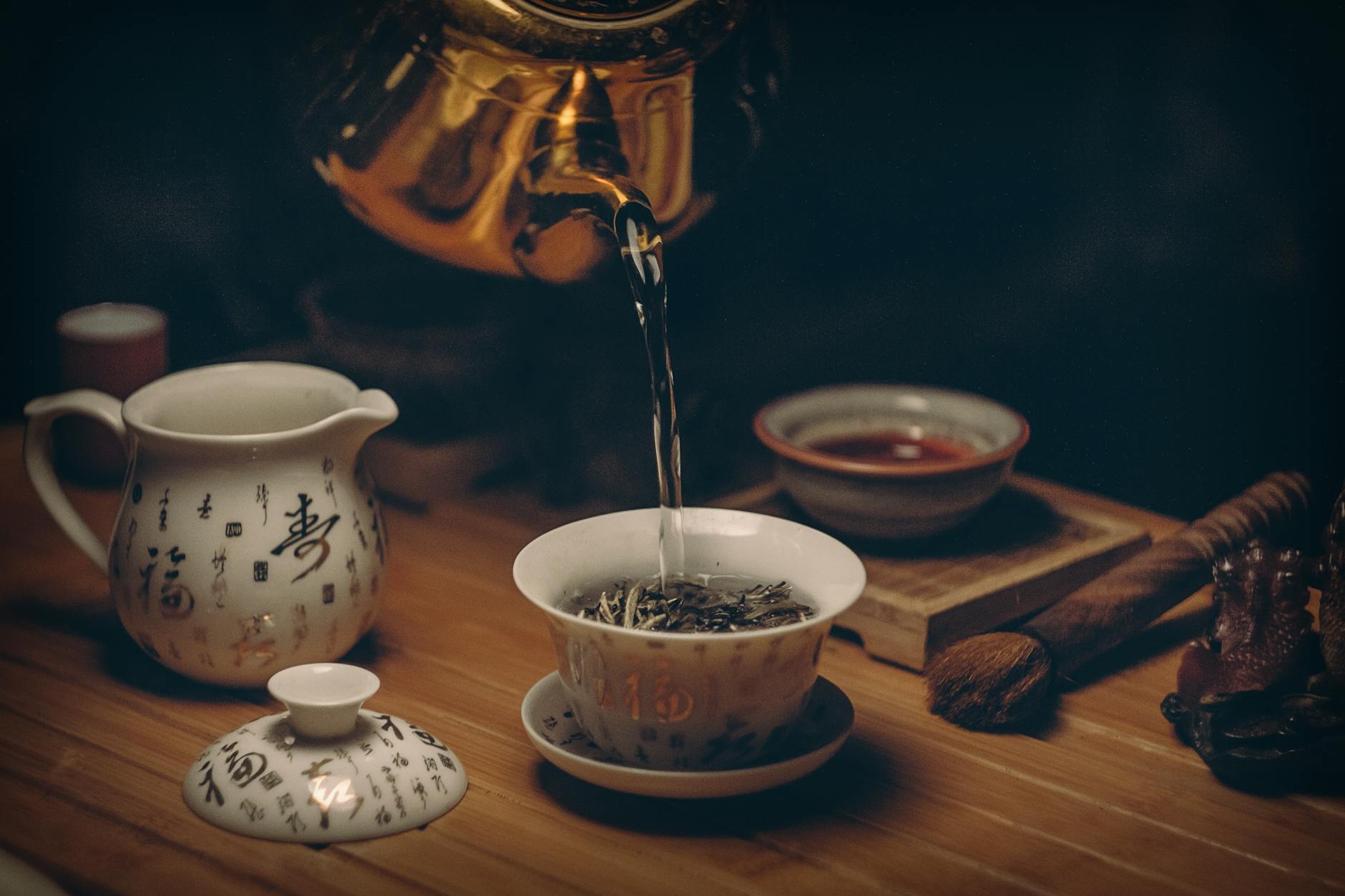
Tea is more than a drink — it’s a ritual, a pause, and for many, a wellness cornerstone. From centuries-old traditions in East Asia to herbal tea blends enjoyed around the world today, tea bridges culture, comfort, and health.
While black and green teas often get the spotlight, herbal teas—caffeine-free infusions made from flowers, leaves, roots, and herbs—are gaining widespread attention for their calming, digestive, and antioxidant qualities. Whether you’re starting your morning with a deliberate matcha tea ritual or winding down with a restorative cup before bed, there’s an herbal infusion for almost every need.
In this guide, we’ll explore what herbal tea really is, dive into the benefits of herbal tea, discuss how to select the best organic herbal tea, and share simple ways to make your tea time intentional and beneficial.
What Is Herbal Tea?
If you’ve never tried it, herbal tea is an infusion of dried plants in hot water. Unlike traditional brews made from Camellia sinensis (the plant behind black, green, and oolong teas), herbal teas are typically naturally caffeine-free and made from ingredients like chamomile, peppermint, hibiscus, ginger, and more.
Because herbal teas aren’t derived from true tea leaves, they don’t contain caffeine like traditional tea — though if a blend includes real tea leaves (e.g., green or black), caffeine will be present. Herbal teas are known for their varied flavors and functional properties, often tied to traditional uses in folk medicine and modern wellness trends.
Types of Herbal Teas:
- Infusions: Soft plant parts (flowers, leaves, herbs)
- Tisanes: A general term for any non-Camellia sinensis tea
- Decoctions: Harder plant materials (roots, bark) heated for longer
The growing interest in herbal blends — like those on Traditional Medicinals and Grimoire’s tea magic guides — reflects a broader desire to personalize daily rituals around taste, intention, and health.
Why Choose Organic Herbal Tea?
Organic herbal tea is made from plants grown without synthetic pesticides, herbicides, or chemical fertilizers. Choosing organic matters especially for delicate herbs because:
- Herbs are often consumed whole (flowers, leaves)
- Residue removal through washing isn’t always fully effective
- Organic farming supports biodiversity and soil health
Organic certification also requires non-GMO practices and strict handling from harvest through packaging — giving tea lovers like myself peace of mind about quality and purity.
Many tea brands emphasize organic sourcing to preserve flavor integrity and avoid exposure to potential contaminants. For everyday wellness rituals — whether you’re steeping chamomile for sleep or rosehips for vitamin C — organic tea helps ensure you’re sipping the cleanest version of the plant possible.
I try to get most of my herbs from my local natural wellness store, Herbally Grounded. If not, I am a sucker for Traditional Medicinals organic herbal tea. It’s widely available, dependable, and far less expensive than other brands.
Matcha Tea Ritual: A Mindful Cup
While matcha is technically green tea, not an herbal tea, it’s often included in the conversation. Matcha has a strong ceremonial culture and health reputation. At its core, a matcha tea ritual is about presence and process: from whisking vibrant green powder with hot water to savoring the aroma and taste.
How to Create Your Matcha Ritual:
- Choose high-quality matcha — vibrant green, fine powder
- Warm your bowl and whisk
- Measure your matcha (≈1–2 scoops)
- Add hot — not boiling — water
- Whisk in gentle “M” motions until frothy
- Pause and enjoy mindfully
Matcha’s appeal comes from its rich antioxidant profile and moderate caffeine that’s often described as focused rather than jittery — perfect for pairing with meditation, journaling, or an intentional morning start.
Pairing your matcha with an herbal tea ritual later in the day — like ginger or chamomile — creates a rhythm to your hydration and self-care. Matcha wakes you; herbal blends can relax you.
Benefits of Herbal Tea

Herbal teas aren’t just warm beverages—they’re often used for functional support in areas like digestion, inflammation, relaxation, and more. While research varies by herb and use case, studies and traditional use suggest several key benefits.
1. Calming & Sleep Support
Chamomile and lavender teas are widely used to support nighttime relaxation. Their mild compounds may help soothe the nervous system.
2. Digestive Comfort
Peppermint, ginger, and fennel teas can ease bloating, nausea, and general digestive discomfort.
3. Antioxidant Power
Herbs like hibiscus and rooibos are rich in antioxidants, which neutralize oxidative stress.
4. Anti-Inflammatory Properties
Certain blends, like turmeric or ginger, contain plant compounds linked to reduced inflammation and immune support. I love drinking Traditional Medicinals turmeric and ginger tea after an intense weights day.
5. Hydration & Ritual Pause
Even without caffeine, herbal teas contribute to daily fluid intake and offer a moment of intentional calm.
Every herbal tea has a unique profile, and exploring different blends teaches you what works best for your tastes and goals.
How to Brew Herbal Tea for the Best Results
Brewing herbal tea is simple, but a few tweaks make a world of difference:
- Use filtered water heated to just under boiling for delicate herbs
- Steep 5–7 minutes (longer for roots or hard spices)
- Cover your mug while steeping to retain volatile aromatics
- Enjoy lid open to smell before sipping
Adjust steeping time based on flavor intensity — herbs like peppermint can turn bitter if over-brewed, while flowers like chamomile benefit from longer infusions.
FAQs About Herbal Tea
Q: Does herbal tea have caffeine?
Most herbal teas are naturally caffeine-free, since they’re not made from tea leaves derived from Camellia sinensis. Only blends containing actual tea leaves contain caffeine.
Q: What is herbal tea?
Herbal tea (or tisane) is an infusion of plant parts — herbs, flowers, roots — not derived from traditional tea leaves.
Q: Does herbal tea dehydrate you?
No — herbal tea contributes to hydration and doesn’t have diuretic effects like strong caffeinated beverages.
Q: What herbal teas are safe during pregnancy?
Pregnant individuals should consult healthcare providers. Some, like ginger for nausea, are often tolerated; others, like licorice root, may not be recommended.
Q: What tea helps with nausea?
Ginger and peppermint teas are commonly used to soothe nausea.
Q: What tea is good for inflammation?
Turmeric, ginger, and hibiscus are herbal teas known for anti-inflammatory properties.
Whether you’re chasing calm after a long day, easing digestion after a heavy meal, or simply embracing a moment of ritual, herbal tea has something for every cup and cadence of life. From the intentional whisk of matcha in the morning to the quiet steep of chamomile at night, each brew can be part of a daily wellness rhythm.
Choose organic, explore different herbs, and let your tea time become a personalized practice — one sip at a time.