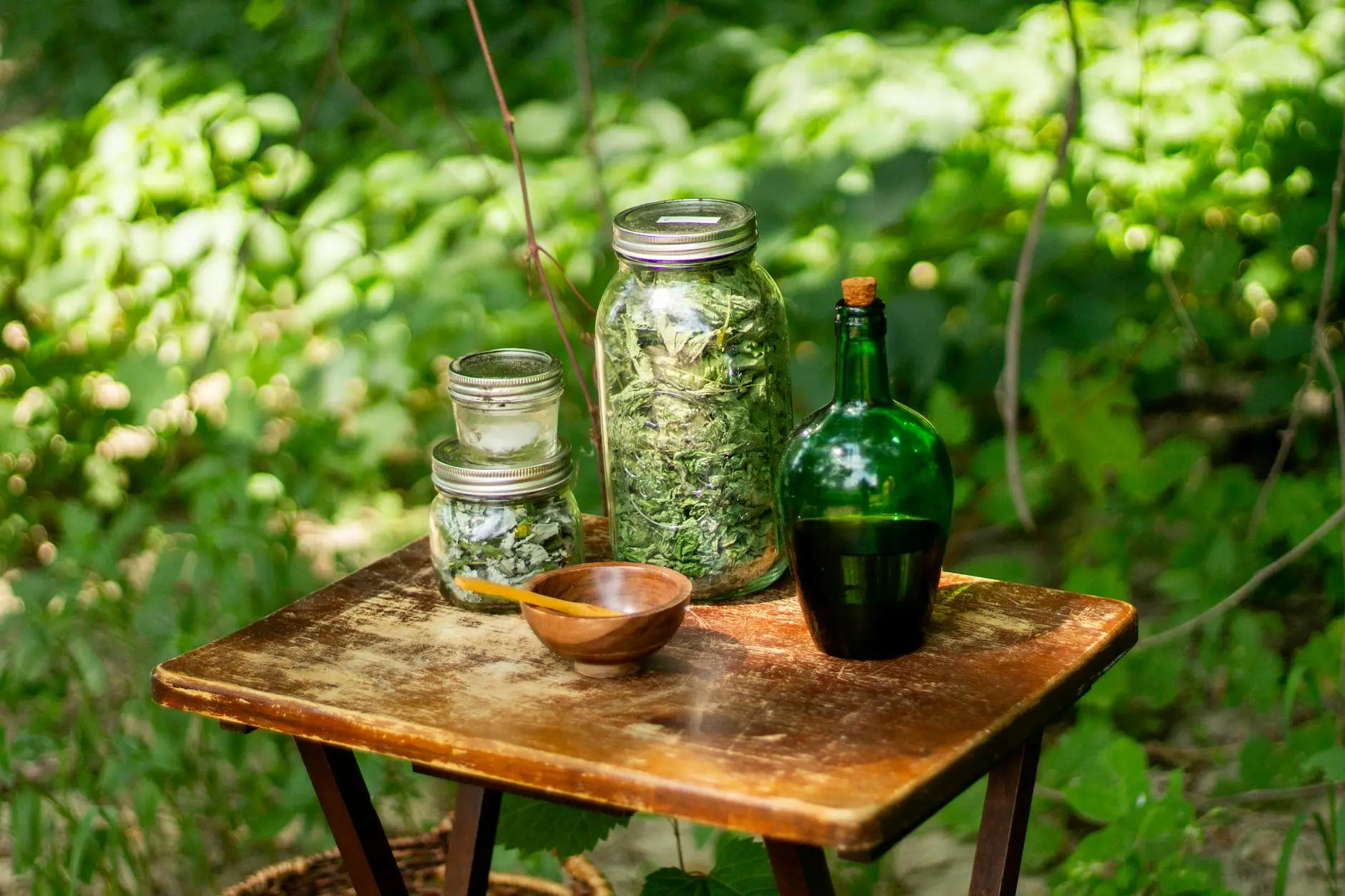
Understanding Herbal Remedies
Herbal remedies for the nervous system offer a holistic approach to managing stress and promoting balance. The nervous system, a complex network, continuously processes information and coordinates bodily functions, such as heartbeat and emotional responses.
When unregulated, it can lead to symptoms like racing thoughts, digestive issues, and sleep disturbances. Herbal remedies provide an alternative to conventional interventions by supporting the body’s natural regulatory mechanisms, interacting with neurotransmitter systems, and offering protective benefits.
Research on bioactive compounds from herbal plants demonstrates their measurable effects on neurological function, while studies on medicinal herbs reveal their ability to address both mental and physical manifestations of nervous system dysregulation.
These remedies support gut-brain communication, reduce inflammation, and enhance resilience to stress without the harsh side effects of pharmaceutical options. The remedies covered here represent evidence-based options with a foundation in traditional use and modern scientific validation.
The best herbs for nervous system support
1. Ashwagandha: The Stress-Regulating Adaptogen
Ashwagandha (Withania somnifera) is an adaptogen known for its stress management properties, impacting both mind and body. Adaptogens are substances that help the body adapt to stress and restore balance. Ashwagandha modulates the hypothalamic-pituitary-adrenal (HPA) axis, the command center for stress response, effectively lowering cortisol levels and supporting GABA signaling in the brain. Research shows that standardized ashwagandha extracts can reduce stress biomarkers within 8-12 weeks of consistent use.
The practical approach involves taking supplements standardized to 5% withanolides at 300-500mg daily, with food. Ashwagandha is not suitable during pregnancy or for those with hyperthyroidism due to its influence on thyroid hormone levels. Unlike quick-fix solutions, ashwagandha helps build genuine stress resilience, enabling the body to respond proportionately to stressors.
Key Benefits of Ashwagandha
Ashwagandha is renowned for its impact on stress physiology and anxiety relief. Regular supplementation can reduce cortisol levels by 11-32%, significantly benefiting those with chronic stress. It also enhances cognitive function, improving reaction time and attention span during high-pressure situations. The herb’s neuroprotective compounds support GABA receptor activity, calming overactive neural pathways without sedation.
Physical symptoms of nervous system dysregulation, such as poor sleep quality and muscle tension, also improve with ashwagandha. Its adaptogenic properties support energy when depleted and promote relaxation when wired. The dual benefit profile includes immediate stress buffering and long-term resilience building, with effects noticeable within two weeks and deeper benefits developing over 6-8 weeks of use.
Considerations for Using Ashwagandha
While effective among nervine herbs for calming, ashwagandha requires consistent use for optimal benefits. Research suggests benefits typically emerge after 6-8 weeks of regular use. Dosing matters significantly, with studies using 300-600mg of standardized extract daily, split into two doses. Adjusting the dose gradually helps find the optimal range.
Timing influences results, with food enhancing absorption and reducing stomach upset. Evening doses support sleep, while morning use may aid daytime anxiety management. Ashwagandha is not recommended during pregnancy and may interact with thyroid medications or immunosuppressants. Quality varies, so look for products standardized to withanolide content and third-party tested for purity.
2. Chamomile: A Natural Calming Agent
Chamomile is a gentle yet effective option for supporting the nervous system, especially for those sensitive to stronger adaptogens. It’s an herb known for its calming properties, primarily due to its apigenin content, a flavonoid binding to benzodiazepine receptors in the brain, promoting relaxation without sedation.
Research indicates chamomile modulates inflammatory responses contributing to nervous tension, making it valuable for anxiety manifesting as digestive upset or muscle tension. Chamomile tea, used 30-60 minutes before stressful situations, provides cumulative benefits over 2-4 weeks, with acute effects appearing within an hour of consumption.
How Chamomile Supports Mental Health
Chamomile’s mental health benefits extend beyond immediate relaxation. Apigenin, a flavonoid in chamomile, binds to GABA receptors—the same receptors targeted by many anti-anxiety medications. This interaction slows down neural firing patterns that contribute to racing thoughts.
Research demonstrates chamomile’s effectiveness for generalized anxiety disorder, with studies showing improvements in anxiety scores. Chamomile doesn’t interfere with cognitive function or create dependency, unlike stronger sedatives like valerian root. It also shows promise for depression, helping stabilize mood fluctuations and improving emotional resilience over time.
3. Valerian Root: Nature’s Tranquilizer
Valerian root, often called “nature’s tranquilizer,” is a potent herbal option for nervous system regulation due to its sedative effects. It increases GABA availability in the brain, the same neurotransmitter targeted by prescription anti-anxiety medications. Research shows valerian’s compounds inhibit GABA breakdown, creating a relaxation effect within 30-60 minutes.
Valerian addresses both mental and physical tension, calming racing thoughts and reducing anxiety while releasing muscle tension and promoting deeper sleep. However, about 10% of users experience a paradoxical reaction, feeling more alert or agitated. Starting with a lower dose and gradually increasing helps gauge individual response safely.
Using Valerian Root Safely
Proper usage is crucial for valerian root’s safety and effectiveness. The standard dose ranges from 300-600 mg of standardized extract taken 30-60 minutes before bedtime. Consistent use over 2-4 weeks reveals full effects. Valerian should not be combined with alcohol or sedatives without medical supervision.
For daytime anxiety management without drowsiness, consider gentler alternatives like lemon balm. Pregnant or nursing individuals should avoid valerian due to limited safety data. Stop valerian at least two weeks before surgery to avoid interactions with anesthesia.
4. Lemon Balm: For Day-to-Day Calmness
Lemon balm (Melissa officinalis) is ideal for managing everyday stress without sedation, offering subtle calming effects. It interacts with GABA receptors in the brain, similar to valerian but with milder effects. Lemon balm refers to a herb known for its calming and digestive benefits.
Research shows lemon balm effectively addresses stress-related digestive issues, calming nervous activity while soothing digestive upset. Its versatility allows it to be consumed as tea, in capsules, or used in cooking. Consistent use during high-stress periods builds cumulative benefits, and combining it with other calming practices amplifies its effects.
How to Use Lemon Balm Effectively
Lemon balm’s versatility allows for multiple forms of use. Tea remains a popular option, with 1-2 teaspoons of dried leaves steeped in hot water for 5-10 minutes. Capsules offer standardized dosing, generally 300-600 mg taken 2-3 times daily. Tinctures deliver faster absorption for acute stress moments.
Consistent use builds benefits, with many finding morning and early afternoon doses effective without affecting nighttime sleep. Lemon balm is suitable for long-term use without tolerance issues, though taking periodic breaks helps maintain effectiveness.
5. Lavender: Aromatic Stress Reduction

Lavender (Lavandula angustifolia) offers a dual approach to stress reduction through olfactory pathways and biochemical mechanisms. Its volatile compounds, such as linalool and linalyl acetate, interact with GABA receptors in the brain, producing a calming effect. Studies show lavender aromatherapy can reduce cortisol levels and improve sleep quality.
Lavender can be integrated into routines through diffusing essential oil, applying diluted oil to pulse points, or using dried lavender sachets. Its portability makes it useful for managing anxiety in real-time situations.
Aromatherapy Techniques with Lavender
Lavender’s compounds work effectively through aromatherapy methods. Direct inhalation involves placing 2-3 drops of essential oil on a tissue for 30 seconds. Diffuser therapy provides sustained effects, while topical application behind the ears or on pulse points offers aromatherapy and transdermal absorption benefits.
A lavender pillow spray creates a calming environment for evening relaxation, supporting restorative sleep patterns. Aromatherapy techniques maximize lavender’s therapeutic potential for nervous system regulation.
Limitations and Considerations
Herbal remedies offer genuine benefits for nervous system support, but limitations exist. The evidence base is limited compared to pharmaceuticals, with most studies involving small sample sizes or animal models. Quality control is a practical challenge, as herbal supplements aren’t strictly regulated for potency or purity.
Drug interactions deserve attention. Herbs like St. John’s wort interfere with many prescription medications. Herbal remedies work slower than pharmaceuticals, requiring consistent use over weeks for meaningful changes. They complement professional care but shouldn’t replace it, especially for persistent anxiety or depression.
Key Herbal Remedies Nervous System Takeaways
Supporting your nervous system with herbal remedies involves finding what works for your unique body and situation. The most effective approach combines consistent daily support with targeted interventions. Start with one or two herbs aligned with your primary concerns. Adaptogens like ashwagandha build long-term resilience, while nervines like lemon balm offer immediate calming effects.
Quality matters more than quantity. Source herbs from reputable sources, start with conservative doses, and evaluate effectiveness over time. I source most of my herbs from my favorite local store, Herbally Grounded.
Remember that herbs complement foundational self-care practices like sleep, movement, and stress management. Consult healthcare providers if experiencing persistent symptoms interfering with daily life. With patience and the right herbal allies, you can build sustainable strategies for navigating life’s challenges.